Since I’ve already shared how we got our chickens, I thought this would be a great time to introduce one of our girls. Named Quasimodo, this golden-laced Wyandotte has a case of scissor beak, also known as cross beak or crossed beak. From what I’ve read, this is likely a genetic condition, or it is caused by some sort of mishap during incubation. Regardless, Quasi’s face looks like this:

Despite her beak currently going in two different directions, she didn’t start out this way. Quasi was a normal chick in the beginning of her life. It was about two weeks after bringing her home that we noticed her beak looked a bit wonky, and it continued to get worse after that. Harry and I had a serious conversation about what to do with her. Many farmers cull chicks with scissor beak, believing that they’ll never live a normal life. We wanted to give this little girl a chance since she seemed to be doing everything her sisters were; if she were lethargic or seemed to have difficulties eating, we would have done the humane thing and culled her. However, Harry and I have a rule on our farm. If an animal is trying to live, regardless of the circumstances, we will do anything in our power to help it thrive.
Because this little chick was jumping around in the brooder and eating and drinking like everyone else, we decided to name her Quasimodo and keep an eye on her.
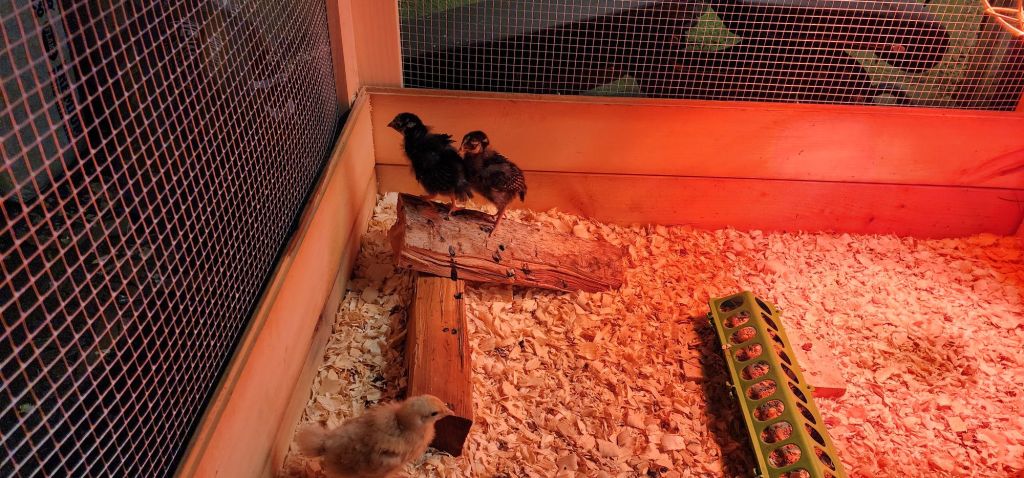
We gave her a deeper water dish so that she could stick her entire beak in, and we made sure that the crumble we gave the entire flock was easily accessible to her. Within a few weeks, she grew like everyone else, and we moved her out to the barn to have a bit more freedom.

Today, Quasi lays just like any normal chicken, and she still has no difficulties with eating or drinking. She does tend to “hang back” from the rest of the flock when they are free ranging, but she’s always willing to come running when I have treats. The only sort of special treatment that she receives now is that I give her a pile of treats to peck through rather than scattering them. I always try to feed her away from her sisters so they don’t bully her out of the way to steal her pile, but when she’s in a fiesty mood, she has zero issues using her beak to go after them.
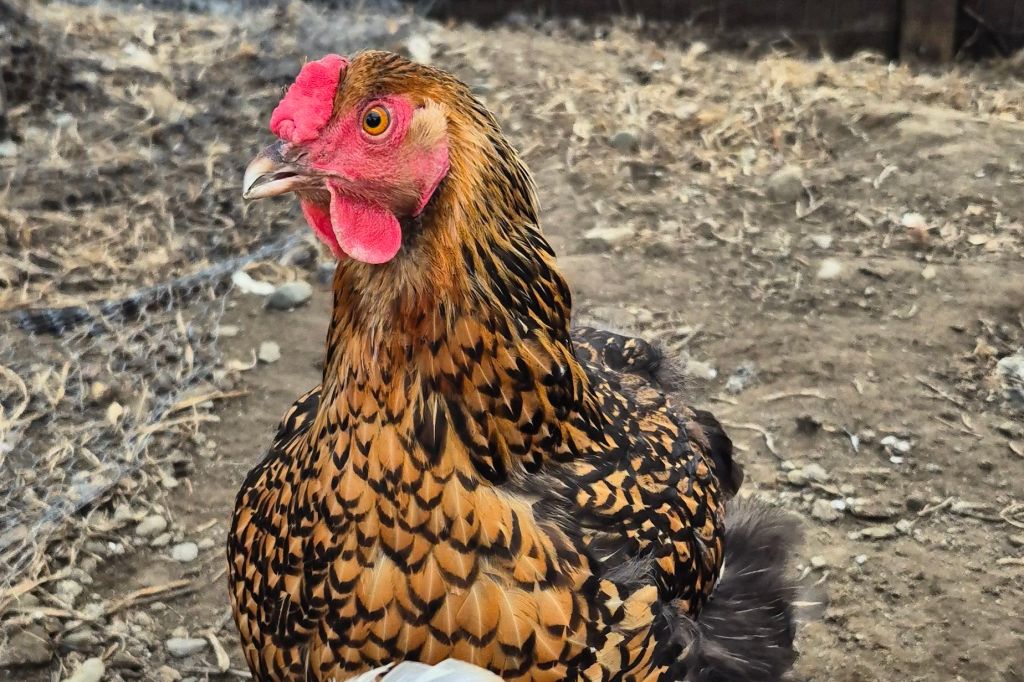
We’re thrilled that we took a chance with her, and we couldn’t imagine this flock without her. She has quite the personality, and I hope that if we ever run into scissor beak again in the future, that chick does as well as she has. For anyone else experiencing scissor beak for the first time and is unsure of their chick’s future, we hope Quasi is an inspiration that this condition doesn’t have to be a death sentence. Sometimes, animals don’t recognize that they have a disadvantage, and they learn to live and thrive all the same.
 The Glen Farm