Almost one year ago, Harry and I learned that our son is allergic to oats. Picture us: new parents, excited to start the weaning process, utterly terrified of feeding him anything other than milk for fear of choking, and finally agreeing that oat cereal would be a safe way to start. I had spent days researching which cereal to get him. Consumer reports of high metal levels in various popular baby foods had freaked me out, so I thought I was doing something great by choosing organic. Short of sowing oat grains, buying a food processor, and grinding the oats myself (which I totally thought about doing, by the way), I believed the choice I made was the right one. So, we mixed carefully-measured oat cereal with even-more-carefully-measured breastmilk, served our boy, and laughed as he promptly painted himself and his high chair with it.
All-in-all, it was a great first experience, and the next two times we fed him were just as successful. The fourth time he had the cereal, however, he had a reaction. Two hours after eating it for lunch, just when I was getting him down for a nap, he started vomiting. By vomiting, I mean utterly terrifying, aggressive puking that reminded me of a horror film. I had no idea that a five month old was capable of producing that much bile, which, as any parent knows, is quite the statement coming out of the newborn stage. It lasted for almost an hour, and I was in tears as I called my mother-in-law – a super nurse who fields all medical questions in our family – for her advice. She was able to talk me off the ledge, and she promised to swing by our house after work to see what was going on.
By the time she arrived, though, my boy was his normal, giggly self, no evidence of Exorcist vomiting in sight. I was relieved that he was back to normal, and life carried on. That is, until we tried to feed him oats again. Thankfully, Harry was home that time, and he held me and our son as the baby and I cried together in between heaves. This spell lasted for an hour and a half, and by the time he fell asleep, Harry and I were scared out of our minds. Cradling our exhausted boy, we turned to Dr. Google, where a Reddit post introduced us to FPIES. An appointment with his pediatrician the next day confirmed our suspicions.
Called Food Protien-Induced Entercolitis Syndrome, FPIES is essentially a rejection of certain proteins by the digestive tract, often leading to a delayed allergic reaction. In our son’s case, two hours on the dot after consuming his allergen, he will vomit until there is nothing left in his stomach. Some individuals with FPIES are often left exhausted and face severe dehydration after an exposure. Luckily, our boy has an incredible allergist at a local hospital, and we were able to get him a prescription of Zofran so he never experiences an allergic reaction for long. Since being diagnosed with FPIES, we have discovered two more allergies: wheat and rice. Because he is allergic to three major grains, we have had to get creative with making sure that he still receives the best nutrition. Enter cassava flour.
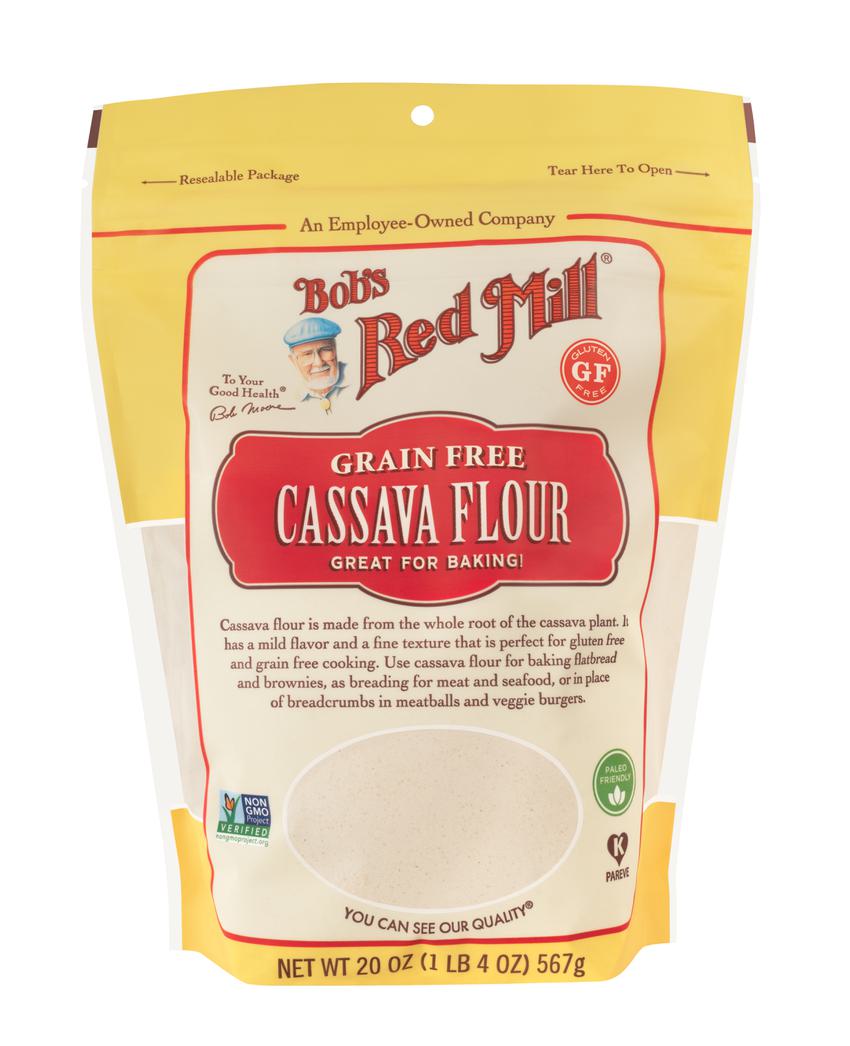
Most gluten-free options available commercially are made with rice flour, so Harry and I have had to turn to alternatives. The best thing that we have found is cassava. Now, I am still a newbie to gluten-free baking and cooking, but cassava is a very close alternative, and it even has a 1:1 ratio compared to all-purpose flour. Cassava pasta is a lifesaver in our house, and though cassava can be a bit gummy in baked goods, lately I have been experimenting with ways to avoid this with some success. So, as an ode to cassava, I’d love to share some of my favorite recipes in the next post and maybe even some tips that I’ve picked up over the past year.
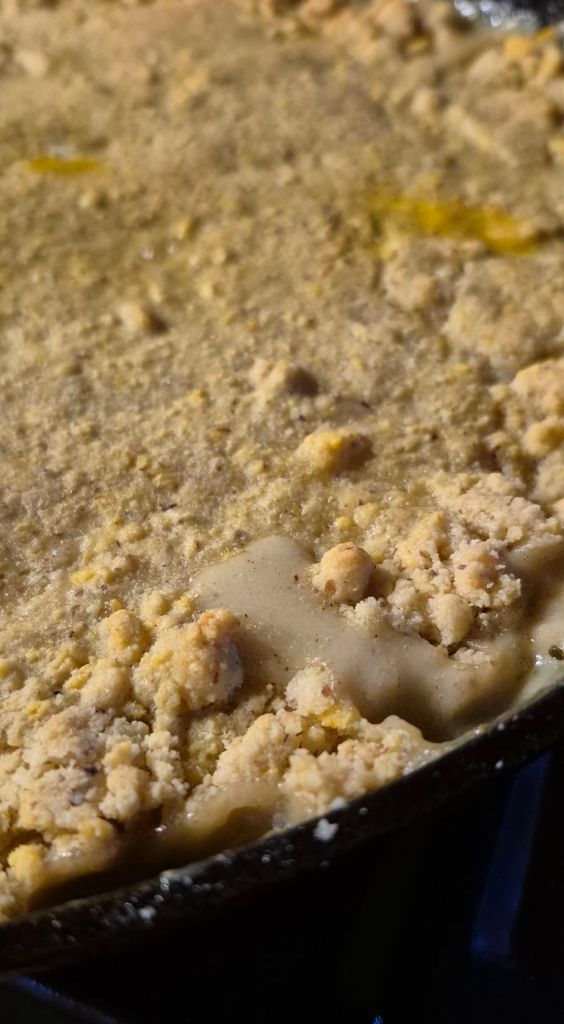
I know first-hand that having a child with food allergies can be terrifying, though we do thank our lucky stars that our son doesn’t have an anaphylactic reaction. Regardless, I hope that we can serve as a beacon of hope of sorts for any parents experiencing FPIES for the first time. It is scary, but once you embrace this new lifestyle, you can and will absolutely thrive.
Until next time,
Jill
 The Glen Farm